
Brain Health: How Nutrition, Hydration & Lifestyle Help
Struggling to concentrate, forgetting things or feeling unusually foggy? Discover how nutrition, hydration, sleep, stress and movement work together to support brain health, what the research really shows, and the small daily habits that make a difference.
Have you ever struggled to concentrate, forgotten something important, noticed racing thoughts or felt irritable for no obvious reason? Perhaps your mind just doesn’t feel as sharp as usual, or your coordination feels slightly off.
These experiences can have many causes, but they share something important: they depend on the health of your brain and nervous system. Brain health is shaped by nutrition and hydration, alongside sleep, stress, physical activity, hormones and emotional wellbeing. Understanding how these factors work together can help you make informed choices about how you think, feel and move.
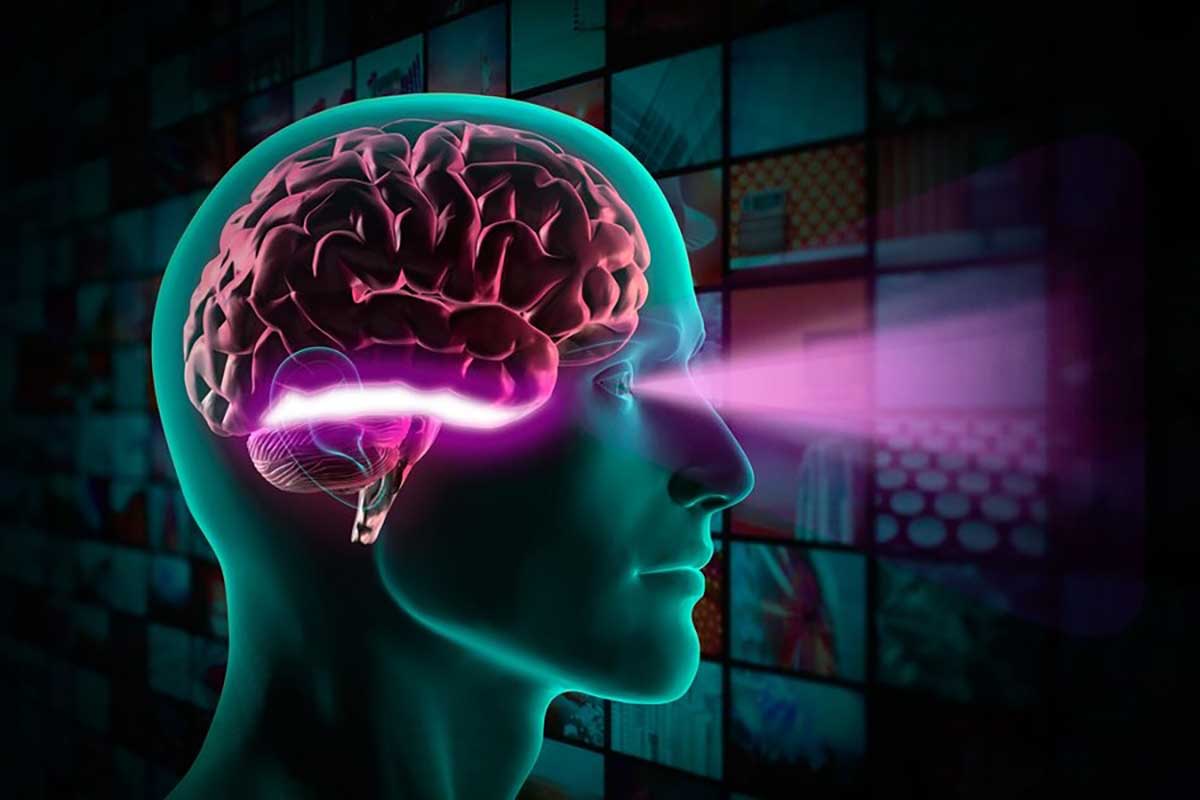
1. Nutrition: fuel for your brain
Your brain makes up only around 2% of your body weight, yet it uses roughly a fifth of your energy. It needs a steady supply of fuel and nutrients to support concentration, memory, decision-making and communication between nerve cells.
Omega-3 fats
Found in oily fish such as salmon, sardines and mackerel. DHA, a type of omega-3, contributes to the maintenance of normal brain function.
B vitamins
Found in wholegrains, eggs, pulses and leafy greens. They support the normal function of the nervous system and help reduce tiredness.
Iron
Found in red meat, beans, lentils and fortified cereals. It helps carry oxygen around the body and supports normal cognitive function.
Low intake of certain nutrients can contribute to fatigue, poor concentration and other cognitive difficulties. A varied diet with vegetables, fruit, wholegrains, nuts, seeds, healthy fats and protein provides a broad range of what your brain needs.
Research into Mediterranean-style eating patterns has linked them with better cognitive outcomes in some populations, although no diet can guarantee protection against cognitive decline. For a closer look at food and mood, read The Gut-Brain Connection.
2. Hydration: attention, coordination and clear thinking
Water supports circulation, temperature regulation and countless processes in the body. When fluid lost through the day isn’t replaced, dehydration can bring on headaches, tiredness and difficulty concentrating.
A 2018 meta-analysis in Medicine & Science in Sports & Exercise, combining 33 studies, found that losing around 2% of body weight through fluid loss was linked to poorer attention, executive function (planning and problem-solving) and motor coordination. Interestingly, simple reaction time was the least affected: the more complex or sustained the task, the more dehydration mattered.
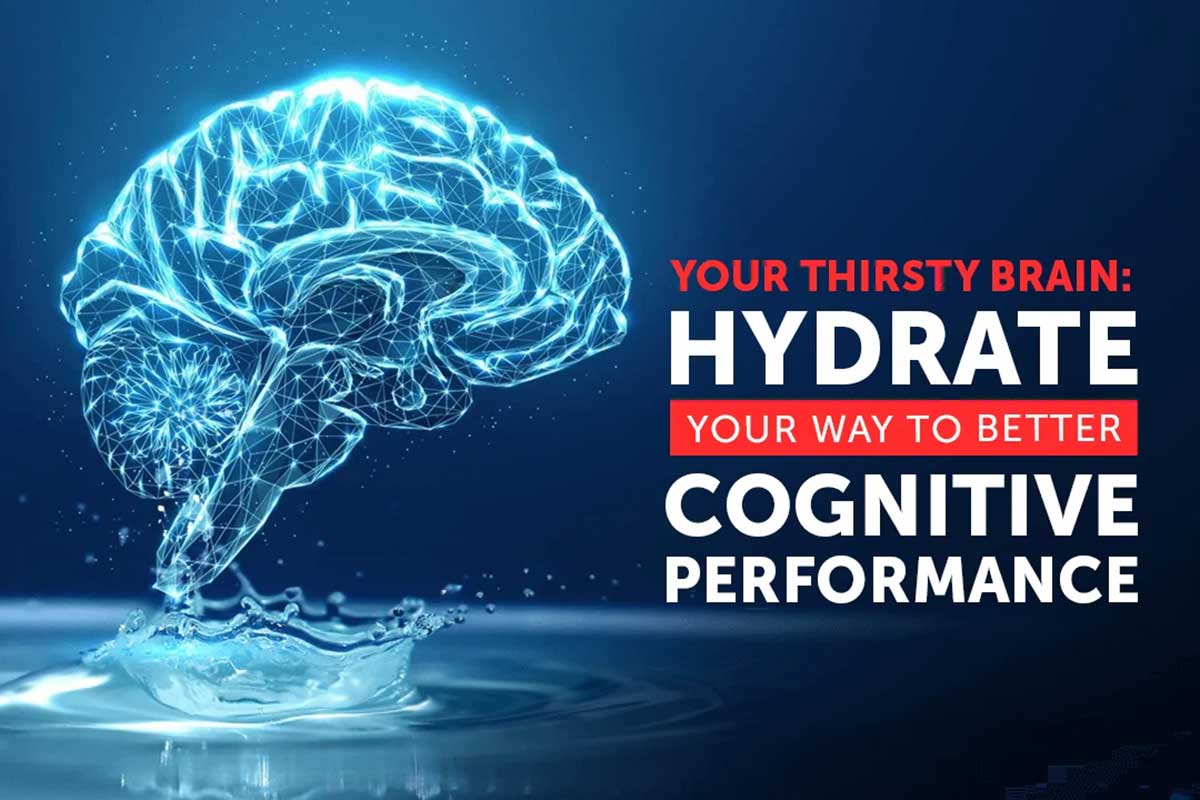
The NHS recommends around 6 to 8 glasses of fluid a day, and more in hot weather or when you’re active. Drinking more than your body needs, though, won’t boost brain performance.
3. Mood, memory and racing thoughts
Emotional state and thinking are closely linked. When you feel anxious, overwhelmed or under pressure, worries can absorb your attention, leaving fewer mental resources for remembering information or making decisions.
Short-term stress helps us rise to a challenge. But when stress goes on for weeks or months, it can disrupt sleep, affect mood and interfere with memory and concentration. Racing thoughts often come with anxiety, stress or lack of sleep, but they can also accompany other mental health or medical conditions. Good nutrition supports general wellbeing, but it isn’t a standalone treatment for persistent racing thoughts.
Memory depends on attention. If you’re distracted, exhausted or preoccupied, information may never be properly absorbed in the first place, which makes it much harder to recall later.
Diet can play a part in mental wellbeing too. In the SMILES trial (2017), adults with major depression who received support to improve their diet saw greater improvement in their symptoms than a comparison group, suggesting diet may complement appropriate mental health treatment.
If stress is affecting your focus, try the two techniques in Reduce Stress in 60 Seconds.
4. Sleep, hormones and the nervous system
Sleep supports learning, memory consolidation, emotional regulation and recovery. Too little or disrupted sleep can leave you irritable, slower to think and less able to concentrate, and it can affect coordination too.
Hormones influence many of these processes. Changes linked to the menstrual cycle, perimenopause, menopause and thyroid conditions can all affect sleep, energy, mood and thinking. Persistent changes shouldn’t automatically be put down to lifestyle, so it’s worth speaking to your GP.
Your nervous system lets your brain interpret what your senses pick up, keep you balanced and coordinate your muscles. Healthy habits support it, but new or unexplained neurological symptoms always need medical assessment.
5. Movement, gut health and connection
Regular physical activity supports heart health and can benefit mood, sleep and thinking. Activities that challenge balance, coordination and changes of direction, such as dancing, racquet sports or yoga, give the brain–body connection an extra workout.
Your gut and brain communicate through nerves, hormones and the immune system, together known as the gut–brain axis. Research into how gut microbes affect stress, inflammation and mental health is promising but still emerging, so claims that particular foods or supplements treat anxiety or memory problems deserve caution. Read more in Stress and Gut Health.
Social connection, relaxation, time outdoors and meaningful activity matter as well. Brain health isn’t only about what you eat; it’s shaped by your environment, relationships and daily routines.
6. Training your brain: what the evidence says
Alongside healthy habits, some approaches are designed to help people explore attention, cognitive skills and brain activity. Each has a different level of evidence, so realistic expectations matter.
Neurofeedback
Uses real-time information about your brain activity to help you practise regulating it. Results vary with the goal and the training method used.
Brain entrainment
Uses rhythmic light or sound to try to influence patterns of brain activity. Some studies suggest benefits for particular outcomes, but the evidence is mixed.
Cognitive exercises
Practise attention, memory and problem-solving. People improve at the tasks they practise, but a major review found little evidence that gains transfer to everyday life.
These approaches aren’t guaranteed solutions, but alongside good nutrition, hydration, sleep, movement and stress management they can form part of a wider, personalised approach to understanding your own wellbeing.
Small habits, meaningful benefits
- Eat a varied, balanced diet rich in vegetables, fruit, wholegrains, healthy fats and protein.
- Drink regularly through the day, paying attention to thirst, activity and the weather.
- Prioritise consistent, restorative sleep.
- Move regularly, including aerobic activity, strength, balance and coordination.
- Build in recovery time and practise strategies that help you manage stress.
- Stay mentally active and keep up meaningful social connections.
- Seek professional advice if changes in mood, memory, thinking or coordination are affecting daily life.
Clear thinking, reliable memory and emotional balance don't depend on one nutrient or habit. They come from the whole of you working together.
Take the next step towards better brain health
Nutrition and hydration provide essential foundations, while sleep, movement, stress management, hormones and mental wellbeing all shape how you function. Looking after your brain means looking after the whole person, and small, consistent steps can create the conditions for greater focus, resilience and everyday wellbeing.
Curious about your own brain activity?
Lilly Wickham uses neurofeedback and biofeedback with the research-grade NeXus-10 system, alongside psychotherapy and personalised nutrition, to help people understand how stress and habits show up in the brain and body. Sessions take place at Hampshire Court Hotel, Basingstoke.
Further reading: Explore the original research
Want to explore the evidence for yourself? These are useful starting points.
- Hydration and cognition: Wittbrodt, M. T. and Millard-Stafford, M. (2018). Dehydration Impairs Cognitive Performance: A Meta-analysis. Medicine & Science in Sports & Exercise. Read the study.
- Diet and depression: Jacka, F. N. et al. (2017). A randomised controlled trial of dietary improvement for adults with major depression (the SMILES trial). BMC Medicine, 15, 23. Read the study.
- Brain training: Simons, D. J. et al. (2016). Do “Brain-Training” Programs Work? Psychological Science in the Public Interest, 17(3). Read the review.
- Hydration guidance: NHS. Water, drinks and your health.
This article is for general educational purposes and is not a substitute for personalised medical advice. Neurofeedback and related approaches are not guaranteed to improve cognitive performance or treat medical conditions. If you experience persistent changes in mood, memory or thinking, consult a healthcare professional. Sudden confusion, weakness, difficulty speaking or loss of coordination needs urgent medical help: call 999.