
DIGESTIVE HEALTH · BASINGSTOKE & ONLINE
Digestive Health: How Stress, Nutrition and Emotional Wellbeing Shape Your Gut
Digestive health is about far more than breaking down food. Your digestive system is in constant conversation with your brain, nervous system, hormones, immune cells and the trillions of microbes in your gut, responding not only to what you eat, but to how you feel, how you sleep and the demands of daily life.
Have you ever felt butterflies before an important event, lost your appetite during a stressful week, or noticed stomach discomfort when anxious? These everyday experiences show how closely emotions and digestion are linked.
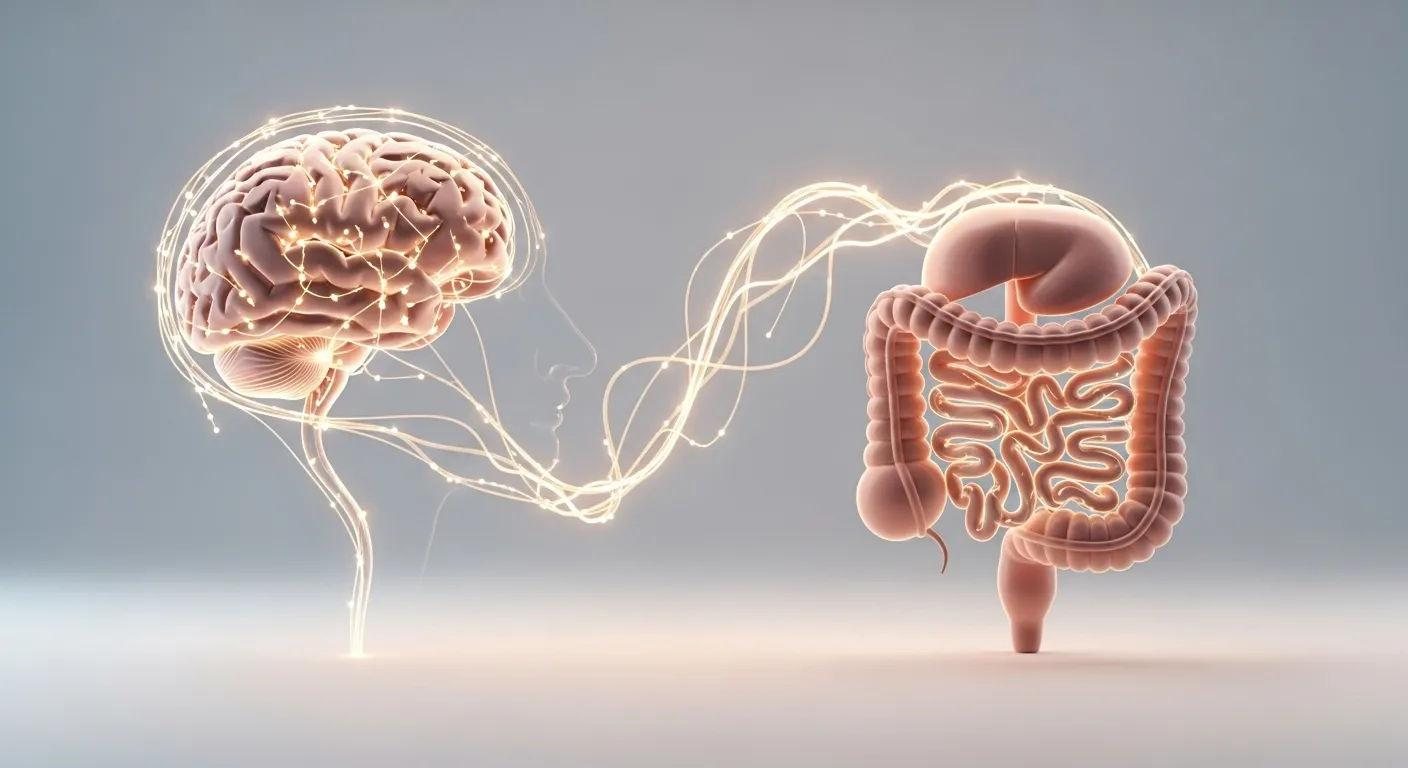
When the mind and digestive system interact
For some people the link becomes persistent. Stress may coincide with bloating, abdominal pain, acid reflux, constipation, diarrhoea or changes in appetite, while fatigue, irregular meals, eating quickly and relying on highly processed convenience foods can add further challenges.
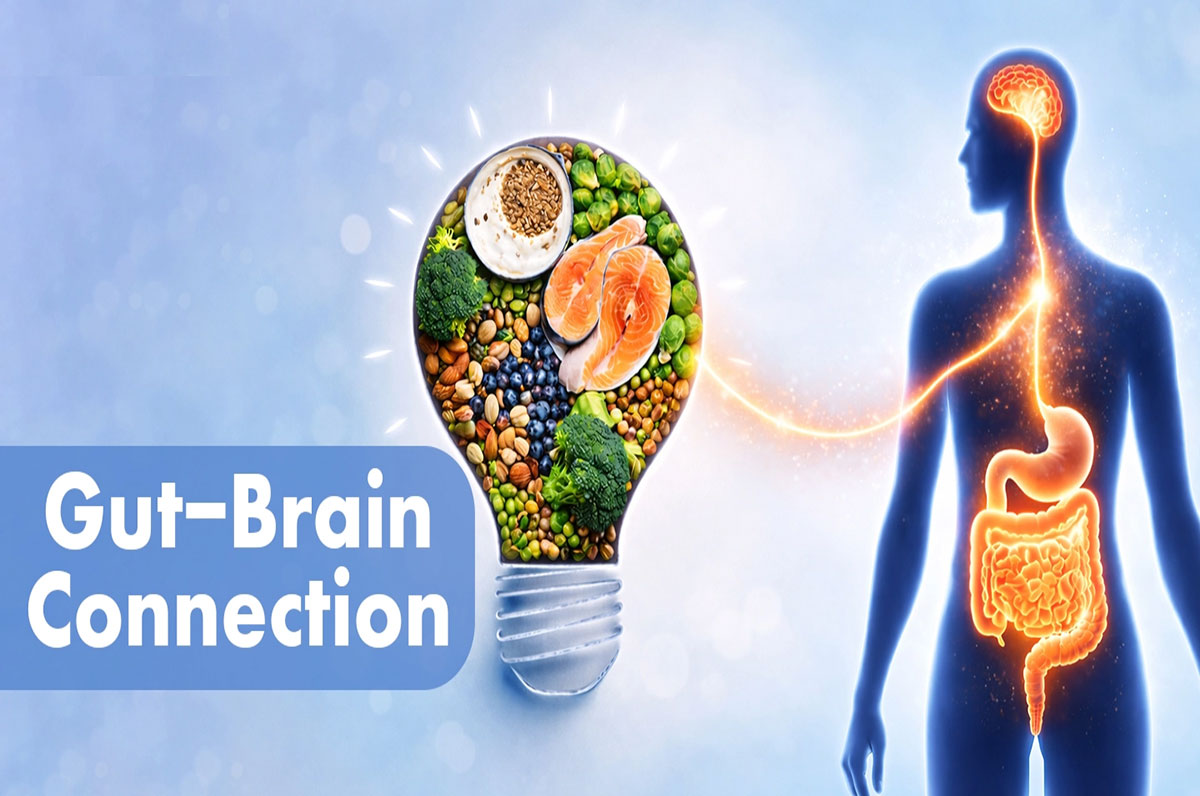
Research increasingly recognises the gut–brain axis: the two-way communication network between the central nervous system and the digestive tract. It helps explain why psychological distress can produce genuine physical symptoms, and why ongoing digestive problems can affect mood, sleep and quality of life.
Understanding this relationship opens up ways to support digestive health through nutrition, stress management, restorative sleep, physical activity and appropriate medical care. If you’d like an introduction first, read The Gut–Brain Connection and Stress and Gut Health.
01
Understanding the whole gastrointestinal system
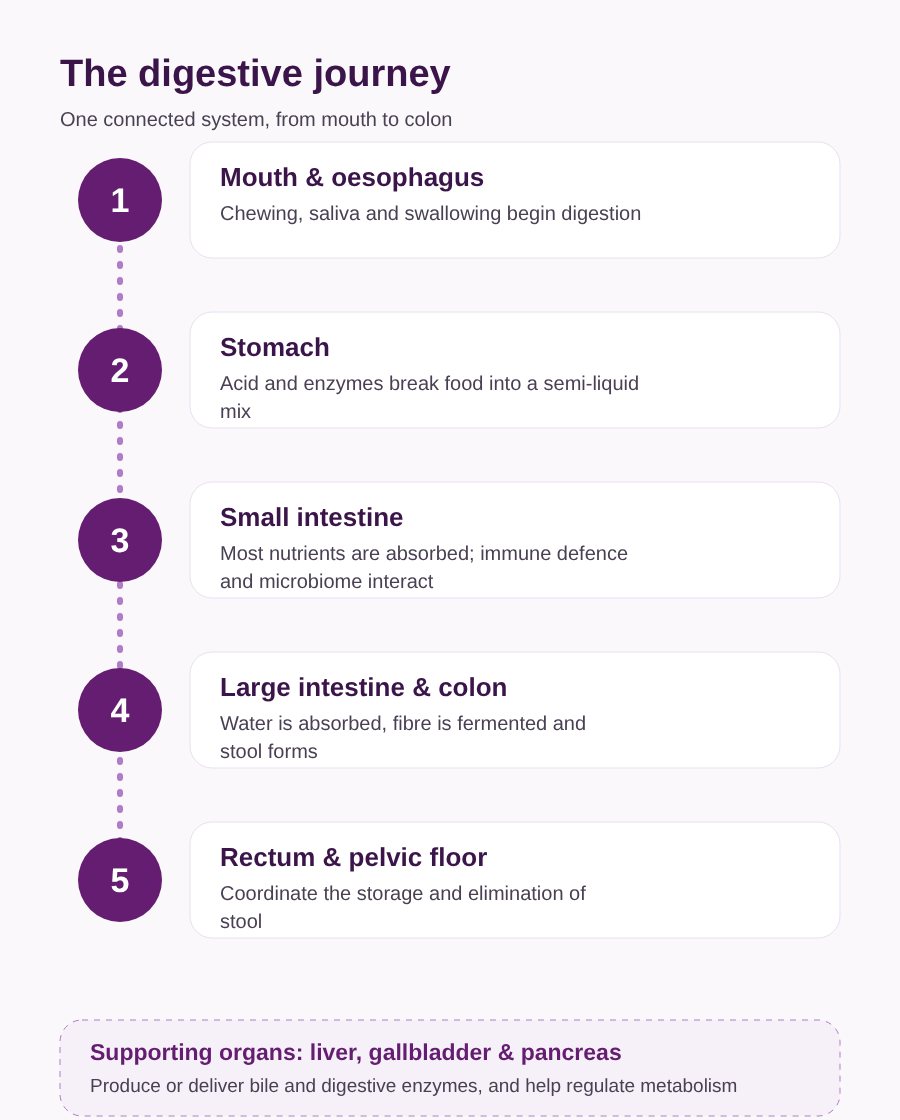
The gastrointestinal system runs from the mouth to the anus, supported by the liver, gallbladder and pancreas. Each part has a distinct role, yet all work as one connected system.
Mouth and oesophagus: Digestion begins with chewing, saliva and swallowing; muscular contractions move food to the stomach.
Stomach: Acid and enzymes break food down, while muscular activity mixes it into a semi-liquid. Stress, some medicines and underlying conditions can influence symptoms here.
Small intestine: Where most nutrients are absorbed. It also coordinates digestive secretions, immune defence and interactions with the gut microbiome.
Large intestine and colon: Water and electrolytes are absorbed, gut microbes ferment certain fibres, and stool is formed and moved along.
Rectum and pelvic floor: Coordinate the storage and elimination of stool, and can be affected by changes in motility, muscle coordination and nerve signalling.
Liver, gallbladder and pancreas: Produce or deliver bile, digestive enzymes and other substances needed to process food and regulate metabolism.
Digestion depends on coordinated nerve signals, hormones, smooth-muscle contractions and immune responses, so a disruption in one area can affect symptoms elsewhere. The National Institute of Diabetes and Digestive and Kidney Diseases explains how nerves, hormones and muscle movement work together throughout the digestive tract.
02
The gut–brain axis: a two-way conversation
The gut–brain axis links the brain and spinal cord with the enteric nervous system (the gut’s own neural network), alongside hormonal, immune and microbial signalling. The brain can change digestive activity, and signals from the gut can influence how the brain processes discomfort, appetite and emotion, creating a highly responsive system that adapts to food, activity, perceived threat and changes inside the body.
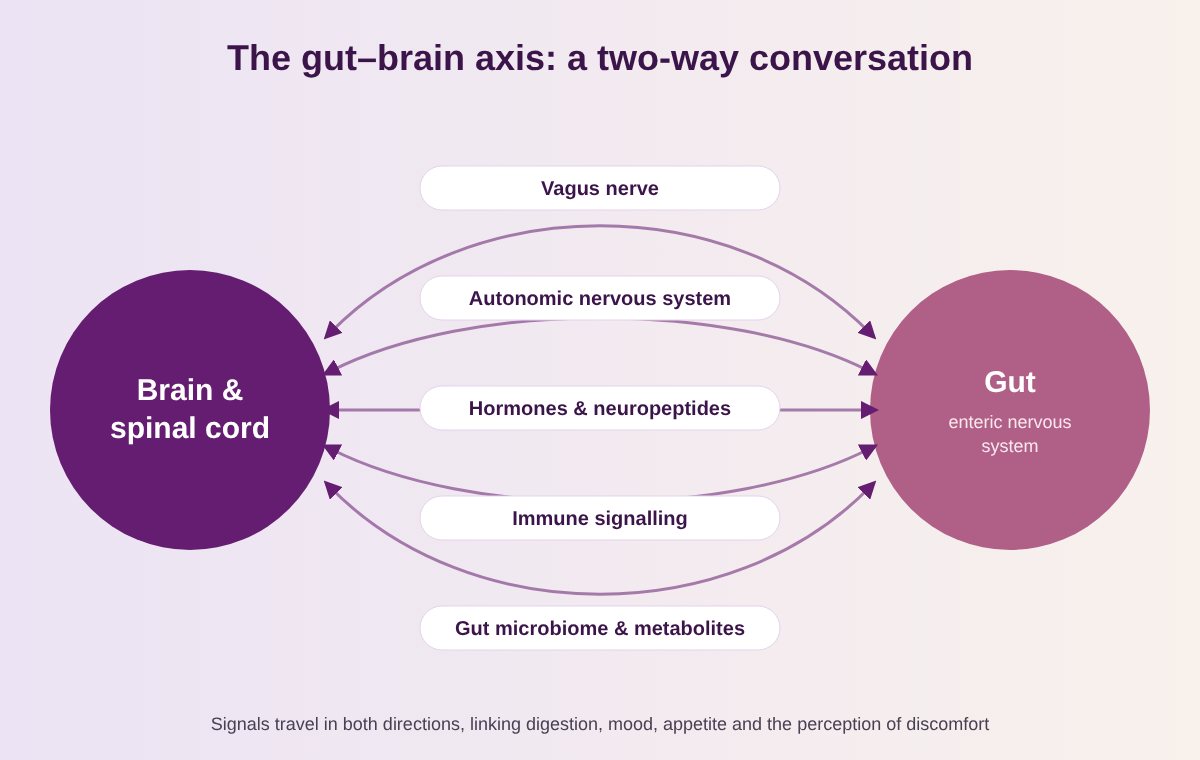
Autonomic nervous system
Sympathetic and parasympathetic pathways help regulate digestive movement, secretion and blood flow.
Vagus nerve
A major pathway carrying information between the brainstem and internal organs, including signals about digestion and bodily state.
Enteric nervous system
The gut’s own network of nerves, coordinating motility, secretion and local reflexes.
Hormones and neuropeptides
Chemical messengers that influence appetite, nausea, intestinal movement, pain perception and stress responses.
Immune signalling
Cytokines and other inflammatory mediators that influence gut function and communicate with the nervous system.
Gut microbiome
Microorganisms and the substances they produce interact with gut cells, immune pathways and nerve signalling.
03
Stress, anxiety and the physiology of digestion
When we face a stressful situation, the sympathetic nervous system and the hypothalamic–pituitary–adrenal (HPA) axis coordinate the body’s response, releasing messengers such as adrenaline and cortisol. This is helpful in the short term, but repeated or prolonged stress may affect digestive function in susceptible people. Potential effects include:
- Changes in intestinal motility, speeding up or slowing down the movement of contents
- Increased sensitivity to normal stretching, gas or contractions
- Altered secretion and coordination of digestive processes
- Changes in gut barrier function and in how gut nerves and immune cells interact
- Changes in appetite, food preferences and eating behaviour
- Greater awareness of, and distress about, abdominal sensations
Responses vary: some people experience constipation, others urgency or diarrhoea, and others nausea, early fullness or upper abdominal discomfort.
A 2023 review in The Journal of Physiology examined how acute and chronic stress interact with gut physiology, the intestinal barrier, the microbiota and gut–brain communication. It describes several plausible pathways, while stressing that important questions remain unresolved. The NHS also lists stress and anxiety among common triggers of irritable bowel syndrome symptoms.
For two quick, practical techniques, see Reduce Stress in 60 Seconds.
04
Neuropeptides, peristalsis and the mind–body relationship
Neuropeptides are small signalling molecules made by neurons and other cells. They help coordinate communication between the nervous system, the digestive tract and the immune system. Their effects depend on where they are released, which receptors are present and the body’s wider physiological state.
Substance P
Involved in pain transmission, gut sensory signalling and aspects of inflammatory responses.
CGRP
Calcitonin gene-related peptide takes part in sensory signalling and neuroimmune regulation.
VIP
Vasoactive intestinal peptide helps regulate intestinal secretion, smooth-muscle activity and blood flow.
Neuropeptide Y
Involved in appetite, stress responses and autonomic regulation.
CRH
Corticotropin-releasing hormone is a central stress messenger that also acts on pathways affecting the gut.
What is peristalsis?
Peristalsis is the coordinated, wave-like contraction and relaxation of smooth muscle that moves food and waste through the gut. It is controlled by enteric nerve circuits, smooth muscle, specialised pacemaker cells, hormones and chemical messengers, and the brain can influence all of these.
Stress-related signalling can change the timing and coordination of digestive movement: transit may speed up, slow down or become less coordinated, and altered sensory processing can make normal contractions feel painful. This helps explain why two people under similar stress can develop very different symptoms.
Can stress affect inflammation?
The nervous, endocrine and immune systems interact closely, and stress-related signalling can influence immune-cell activity, inflammatory mediators and gut barrier function. Neuroimmune interactions have been identified in inflammatory bowel disease, IBS and functional dyspepsia.
These mechanisms are not proof that anxiety alone causes intestinal inflammation. The relationship is complex, and findings from laboratory and animal studies don’t always translate directly to people.
05
Psychosomatic symptoms: real symptoms, not imaginary illness
Psychosomatic describes the influence of psychological processes on physical symptoms. It does not mean someone is inventing their symptoms.
Gastroenterology now uses the term disorders of gut–brain interaction (DGBI), promoted by the Rome Foundation, for conditions where symptoms arise from a combination of altered gut function, sensory processing and brain–gut communication. Neither of the examples here should be dismissed as purely psychological; both involve genuine physical processes and need appropriate clinical assessment.
Psychological therapies, including cognitive behavioural therapy and gut-directed hypnotherapy, can help some people with these conditions, and NICE guidance recommends considering them for IBS that hasn’t responded to other treatment. Lilly’s practice includes cognitive approaches and hypno-psychotherapy, always alongside your medical care.
Irritable bowel syndrome (IBS)
Recurring abdominal pain, bloating, constipation, diarrhoea or alternating bowel habits. Symptoms can be influenced by food, gut motility, visceral hypersensitivity, previous infections, stress and psychological factors. Some people notice flares during anxiety; others have significant symptoms with no obvious psychological trigger.
Functional dyspepsia
Upper abdominal discomfort, early fullness, uncomfortable fullness after meals and sometimes nausea. Contributing factors can include reduced stomach accommodation, altered sensory processing and changes in gut–brain signalling.
06
Digestive conditions associated with inflammation
Not every stress-related digestive problem is inflammatory, and not every inflammatory condition is primarily stress-related. Telling functional symptoms apart from tissue inflammation or structural disease is essential, which is why persistent symptoms always deserve medical assessment.
Reflux (GORD)
Stomach contents flowing back into the oesophagus, causing heartburn or regurgitation. Meal size and timing, certain foods, smoking, body weight and the lower oesophageal sphincter all play a part. Stress may heighten symptoms, but reflux has physical causes that need proper management. Persistent reflux can lead to oesophagitis and, in a minority, Barrett’s oesophagus, which is linked to a higher risk of oesophageal adenocarcinoma.
Gastritis and peptic ulcers
Inflammation of the stomach lining, and ulcers in the stomach or duodenum, are most often caused by Helicobacter pylori infection or anti-inflammatory painkillers (NSAIDs). Everyday stress shouldn’t be assumed to cause an ulcer, and symptoms alone can’t confirm one. Stress-related mucosal injury in critical illness is a different situation from everyday anxiety.
Inflammatory bowel disease
Crohn’s disease and ulcerative colitis are chronic immune-driven conditions, causing symptoms such as persistent diarrhoea, abdominal pain, rectal bleeding, urgency, fatigue and weight loss. Stress can worsen symptoms or coincide with flares, but it is not the cause, and stress management cannot replace medical treatment.
Coeliac disease
An immune reaction to gluten in genetically susceptible people that can damage the small intestine and impair absorption. Symptoms vary from bloating and diarrhoea to fatigue or iron deficiency. Get tested before cutting out gluten, as removing it first can make test results inaccurate.
Diverticular disease and other conditions
Diverticula are small pouches in the colon; diverticulitis is when they become inflamed or infected. Microscopic colitis, infections and pancreatitis each have their own causes and treatments, so symptoms shouldn’t automatically be put down to stress or diet.
Support and information
For Crohn’s disease and ulcerative colitis, Crohn’s & Colitis UK offers detailed guidance and support. For coeliac disease, see Coeliac UK.
07
Inflammation, diet and gastrointestinal cancer
Chronic inflammation can contribute to cancer in certain tissues, but the relationship varies by condition. Longstanding ulcerative colitis or Crohn’s colitis can increase colorectal cancer risk; persistent H. pylori infection can lead to chronic gastritis and a higher risk of stomach cancer; and reflux complicated by Barrett’s oesophagus is associated with oesophageal adenocarcinoma. These pathways involve biological changes over time and cannot be reduced to a simple link between emotional stress and cancer.
Evidence that psychological stress directly causes digestive cancer is inconsistent. Stress can affect health indirectly, through sleep, smoking, alcohol, eating patterns and access to care, but cancer should never be framed as the result of a person’s emotional state.
Nutrition and lifestyle can support general health and influence some risk factors, but they cannot replace screening, investigation or evidence-based treatment. In England, the NHS bowel cancer screening programme invites people aged 50 to 74 to take a home test every two years.
What lowers risk?
Research reviewed by the World Cancer Research Fund supports these steps, particularly for colorectal cancer:
- A varied diet rich in wholegrains, vegetables, fruit and pulses
- Limiting processed meat and moderating red meat
- Limiting highly processed foods high in fat, salt or sugar
- Maintaining a healthy weight where possible
- Being physically active
- Avoiding tobacco and limiting alcohol
These recommendations concern risk across populations. They don’t guarantee prevention or treat an existing cancer.
08
Nutrition: supporting digestive health from the inside out
Nutrition affects digestion through stool consistency, intestinal transit, microbial fermentation, nutrient availability and the regulation of appetite and metabolism. A sustainable eating pattern is usually more useful than a restrictive search for one “perfect” diet.
Fibre and the gut microbiome. Oats, beans, lentils, vegetables, fruit, nuts and wholegrains support regularity and feed beneficial gut microbes. Increase fibre gradually and drink enough fluid to limit wind and bloating. People with IBS often tolerate gentler fibres such as psyllium better than coarse wheat bran.
Regular meals and mindful eating. Eating at a steadier pace helps you chew thoroughly and notice fullness. Large meals can aggravate reflux or post-meal discomfort, so smaller, more frequent meals may help some people. Eating slowly isn’t a cure, but it’s a practical way to reduce rushed eating.
Convenience and ultra-processed foods. These vary widely: some are nutritious and practical, others are high in salt, saturated fat, refined starch or sugar and low in fibre. Improving your overall pattern, and identifying personal triggers, is more realistic than banning foods outright.
Hydration and caffeine. Enough fluid supports normal bowel function, especially when you eat more fibre. Caffeine can stimulate the bowel and may worsen urgency, anxiety or reflux in some people, so small adjustments and a symptom diary are more useful than strict rules.
Special diets should be personalised. A low-FODMAP diet can help some people with IBS, but it is a structured, time-limited approach followed by reintroduction, ideally with a trained dietitian (see the British Dietetic Association). If coeliac disease is a possibility, get tested before going gluten-free. Elimination diets are not a substitute for investigating persistent symptoms.
Related reading: Can Your Gut Influence Your Mood?, Histamine Intolerance and Gut Health and Brain Health: Nutrition and Hydration. For a detailed picture of your own gut, Lilly offers gut microbiome testing and personalised nutrition support.
09
Fatigue, sleep and the cycle of digestive discomfort
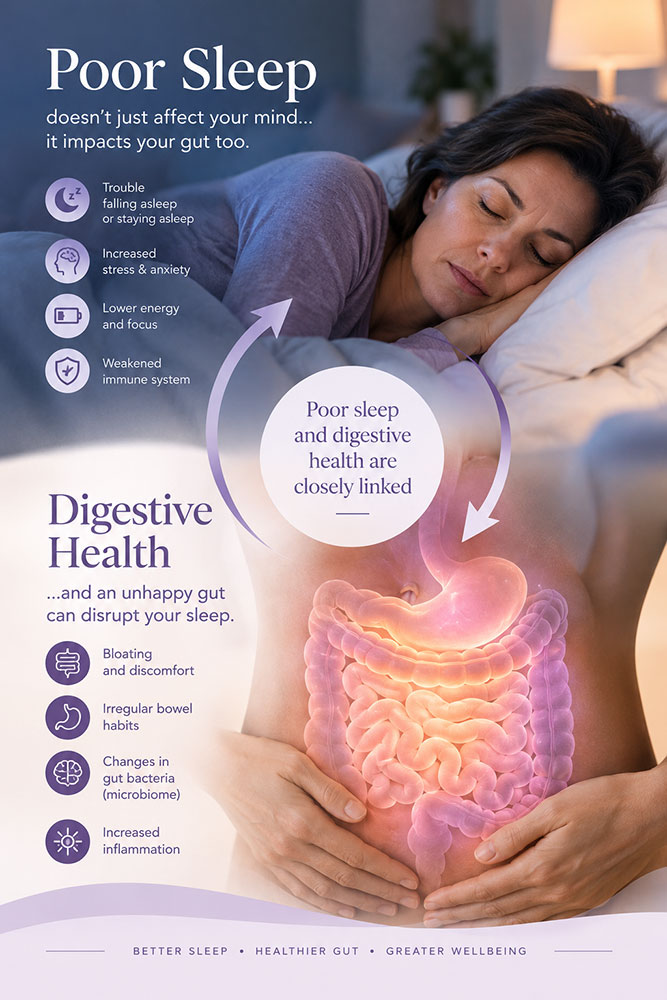
Sleep and digestion influence each other. Poor sleep can heighten pain sensitivity and stress reactivity and make regular meals and activity harder to maintain, while digestive symptoms can disturb sleep and leave you tired during the day.
Fatigue can also stem from underlying disease, nutritional deficiencies, anaemia, medication or mental health conditions; inflammatory bowel disease and coeliac disease, for example, can cause tiredness beyond disrupted sleep. So fatigue shouldn’t simply be assumed to be psychological.
Helpful foundations include a regular sleep schedule, enough time for rest, appropriate physical activity and a medical assessment for persistent or unexplained tiredness. Stress, sleep and immunity are closely linked too: see Immune System and Stress.
10
The gut, mood and mental health
The relationship between digestion and mood works both ways. Anxiety and depression can affect symptom perception, autonomic regulation, appetite, sleep and gut function, while persistent digestive symptoms can cause distress, social withdrawal, embarrassment and reduced quality of life. Researchers are exploring how microbial metabolites, immune mediators, diet and nerve signalling contribute; these mechanisms are biologically plausible, but how far each one causes mood disorders in people is still being studied.
Nature Reviews Gastroenterology & Hepatology (2023)
A review reported that IBS frequently occurs alongside anxiety and depression, and argued for integrated care combining gut treatment, nutrition and brain–gut behavioural therapies.
British Society of Gastroenterology (2021)
The BSG’s IBS guideline describes IBS as a disorder of two-way gut–brain communication, recognising that distress can worsen symptoms and can also develop because of them.
Can improving diet improve mood?
A balanced diet supports general health, and correcting deficiencies can ease related symptoms. Research is exploring whether dietary changes can help depressive symptoms in some people (see our article on the SMILES trial). But diet doesn’t reliably resolve mood disorders, which deserve assessment and treatment in their own right.
These findings support a biopsychosocial approach, in which biological, psychological and social factors are considered together rather than as competing explanations. For people with both digestive symptoms and emotional distress, coordinated care may involve a GP, gastroenterologist, registered dietitian and mental health professional.

11
A practical, whole-person approach
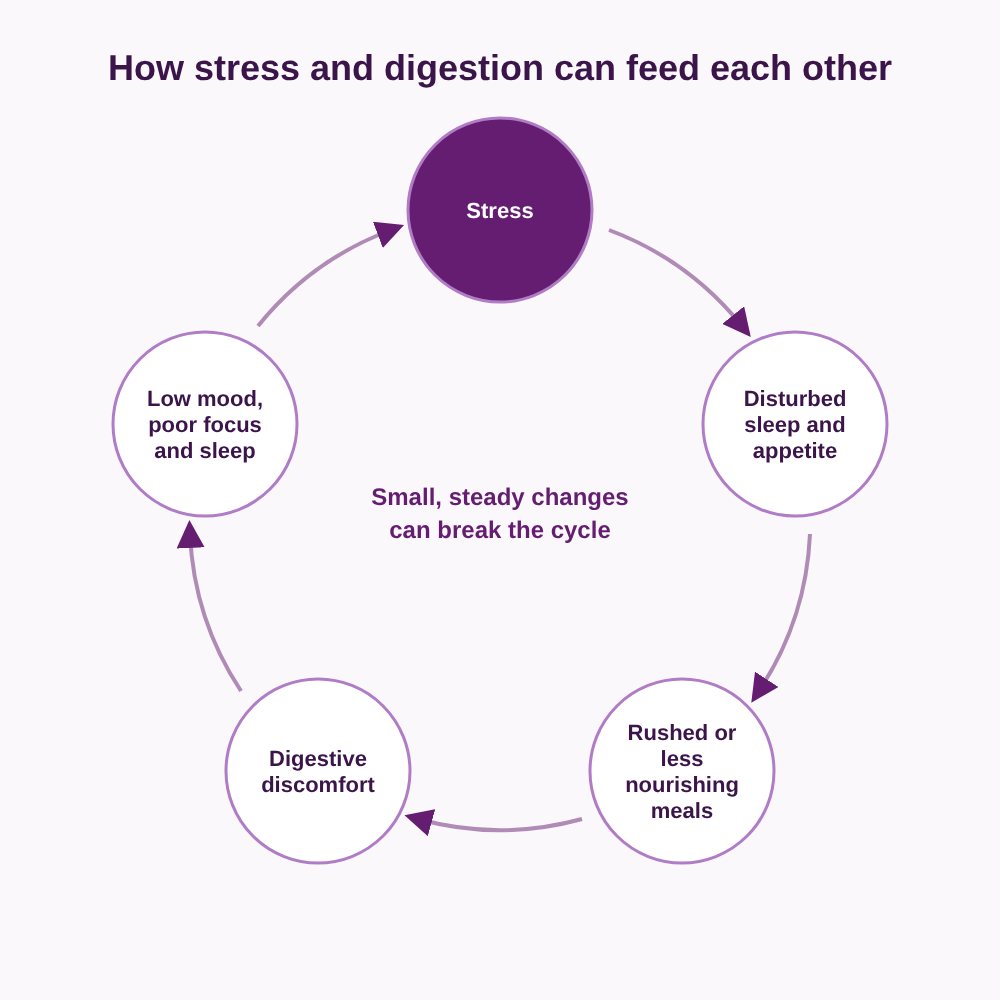
Stress, eating habits and digestion can become cyclical: stress disturbs sleep and appetite, a busy schedule encourages rushed meals, and discomfort then affects concentration, mood and sleep. This can increase vulnerability to symptoms, without meaning lifestyle is the only cause or that anyone is to blame for their illness.
- Slow down at mealtimes. Allow time to chew and eat without rushing.
- Build a balanced pattern. Include fibre you tolerate, varied plant foods, protein and enough fluid.
- Notice personal triggers. Keep a short food, symptom and stress diary rather than cutting out several food groups at once.
- Make time to recover. Try gentle breathing, walking, relaxation or mindfulness, such as the techniques in Reduce Stress in 60 Seconds.
- Protect your sleep. Keep a regular routine and seek help for persistent insomnia or severe fatigue.
- Move regularly. Choose activity that suits your health, ability and preferences.
- Address emotional distress. Consider psychological support if anxiety, low mood or fear of symptoms is affecting daily life.
- Seek medical care. Persistent or changing symptoms may need tests, medication or specialist assessment.
These strategies complement clinical treatment; the right approach depends on the underlying condition and your circumstances.
When digestive symptoms need medical attention
Not all digestive symptoms are stress-related or suitable for self-management. Speak to your GP promptly about persistent or unexplained symptoms, particularly:
- Blood in your stool, or black, tarry stools
- Unintentional weight loss
- Persistent vomiting or difficulty swallowing
- Ongoing diarrhoea, significant abdominal pain or symptoms that wake you at night
- Unexplained anaemia or marked, persistent fatigue
- A new or worsening change in bowel habit
Get urgent help for severe abdominal pain, vomiting blood, heavy bleeding from the bottom, fainting or signs of severe dehydration. In the UK, contact your GP or NHS 111, or call 999 in an emergency. The NHS also lists the symptoms of bowel cancer to be aware of.
Treating the gut and the person together
Digestive health is shaped by the gut, nervous system, hormones, immune function, microbiome, nutrition and psychological wellbeing working together. Stress and anxiety can alter motility, heighten sensitivity and contribute to symptoms in susceptible people, while inflammatory diseases and cancers have their own biological mechanisms and must never be explained away as psychosomatic.
Physical and psychological health are interconnected, but neither explains every digestive problem on its own. Combining appropriate medical assessment with sustainable nutrition, restorative sleep, stress management and mental health support addresses the many factors that shape digestive wellbeing. A whole-person approach doesn’t dismiss symptoms as being “all in the mind”; it recognises that mind, gut and body are part of the same living system.
How Lilly can help
Alongside care from your GP or gastroenterologist, Lilly Wickham offers integrative support for the mind–gut connection at Hampshire Court Hotel, Basingstoke, and online:
- Integrative psychotherapy for anxiety, stress and the emotional impact of symptoms
- Hypno-psychotherapy and cognitive approaches
- Personalised nutrition support
- Gut microbiome and DNA testing
Further reading: explore the evidence
- Digestive system: National Institute of Diabetes and Digestive and Kidney Diseases. Your Digestive System & How It Works. Read more
- Stress and the gut: Leigh, S.-J. et al. (2023). The impact of acute and chronic stress on gastrointestinal physiology and function: a microbiota–gut–brain axis perspective. The Journal of Physiology. Read more
- IBS and mental health: Staudacher, H. M. et al. (2023). Irritable bowel syndrome and mental health comorbidity: approach to multidisciplinary management. Nature Reviews Gastroenterology & Hepatology. Read more
- IBS guideline: Vasant, D. H. et al. (2021). British Society of Gastroenterology guidelines on the management of irritable bowel syndrome. Gut. Read more
- IBS management: NICE. Irritable bowel syndrome in adults: diagnosis and management (CG61). Read more
- Disorders of gut–brain interaction: The Rome Foundation. Read more
- IBS and diet: British Dietetic Association. Irritable bowel syndrome and diet. Read more
- Cancer prevention: World Cancer Research Fund. Cancer Prevention Recommendations. Read more
Health information note: this page is educational and is not a substitute for individual medical advice, diagnosis or treatment. Lilly Wickham’s services complement, and do not replace, care from your GP or specialist.